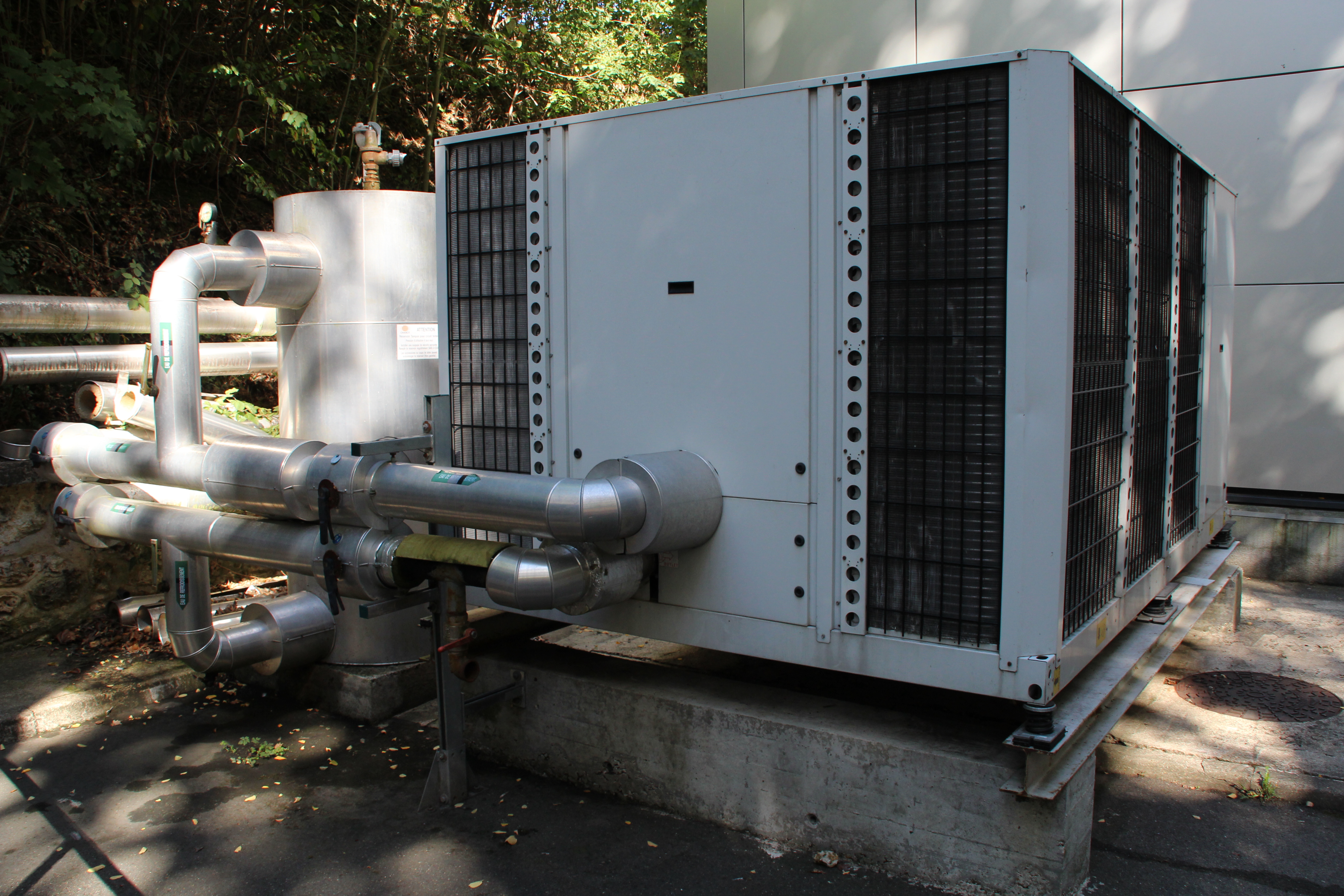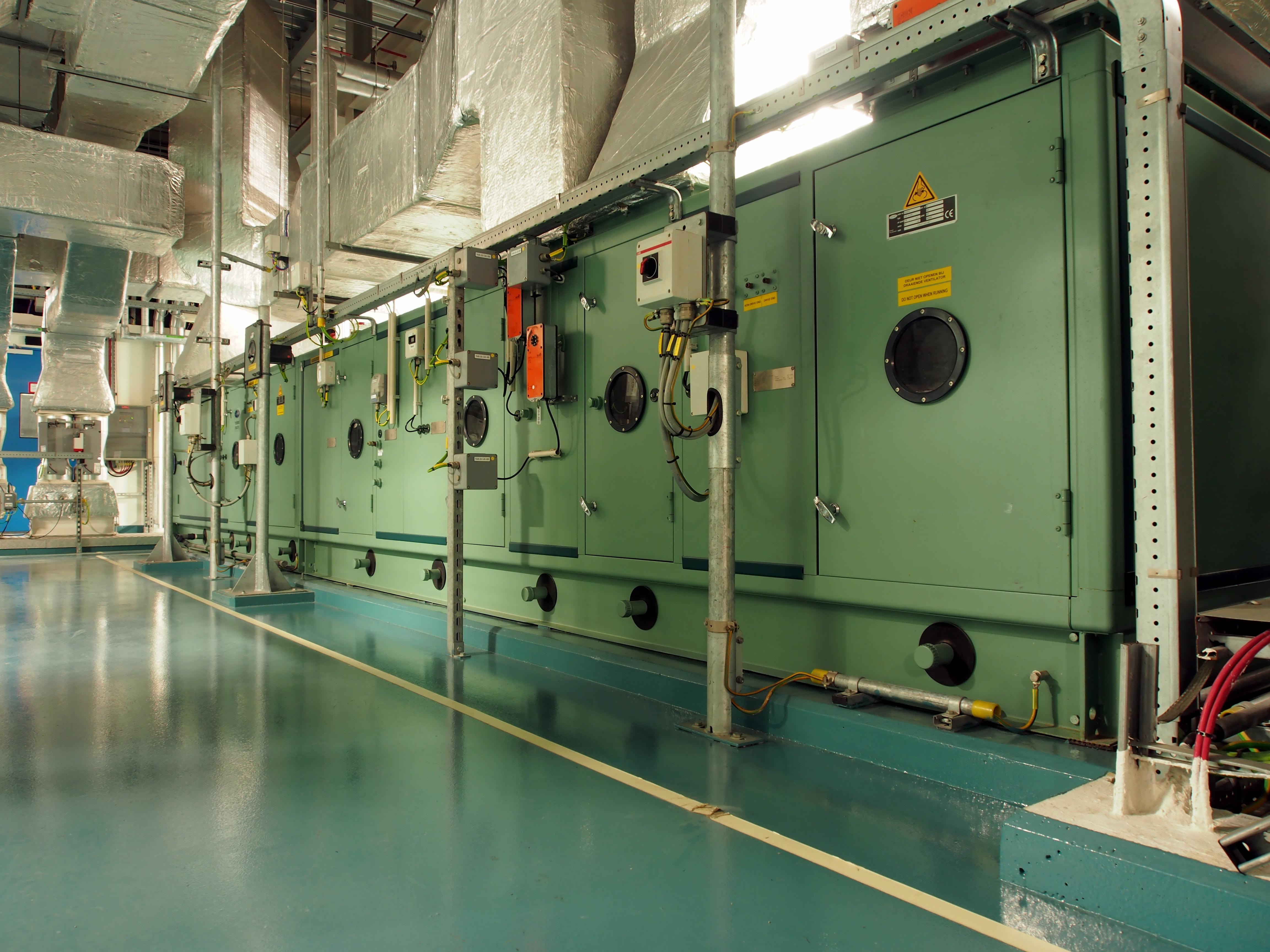




Selecting between Variable Refrigerant Flow (VRF/VRV) and Central Hydronic Chiller systems is one of the most critical design decisions in commercial and institutional mechanical engineering projects.
1. Working Principles Compared
VRF / VRV Systems: Refrigerant circulates directly through insulated copper lines between modular condensing units and terminal evaporator heads. 3-pipe Heat Recovery configurations permit simultaneous heating and cooling in adjacent rooms with zero added boiler load.
Chiller Plants: Central water chillers produce chilled water (typically 7/12°C), distributed via insulated steel or PPRC pipe loops and circulating pump skids to air handling units (AHUs) and ducted fan coil units (FCUs).
2. Application Guidelines
- Hotels and Luxury Residences: Individual guest comfort, ultra-quiet sound ratings, and individual electric billing make VRF systems ideal.
- Hospitals, Shopping Malls, and Campuses: High outdoor air ventilation needs, specialized HEPA AHUs, and large multi-megawatt cooling loads make Central Chillers unbeatable.
- Hybrid Configurations: Hegel Engineering frequently engineers hybrid solutions: VRF for office zones paired with central chilled water for public atriums and auditoriums.