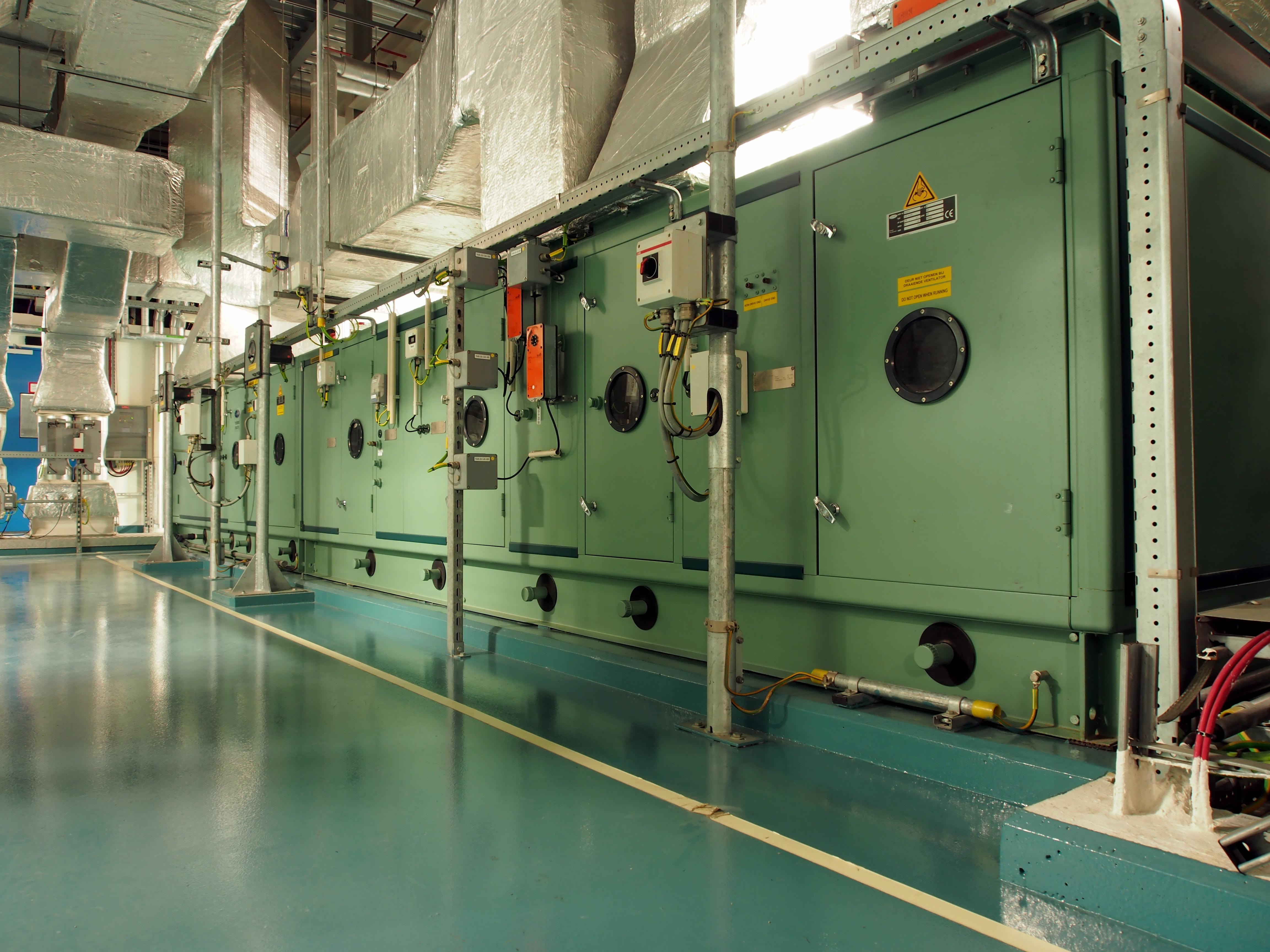



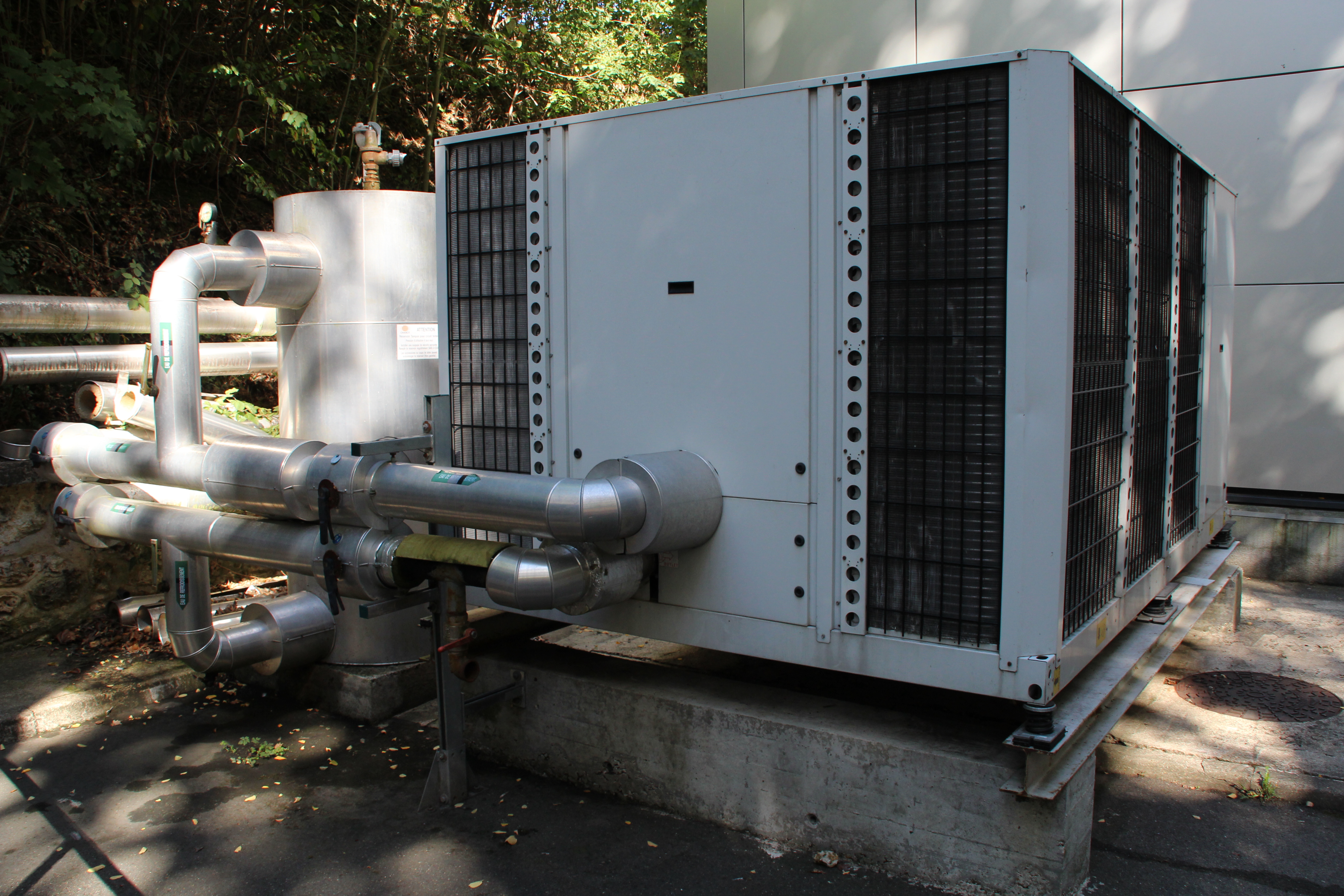
Rising energy tariffs and stringent carbon reduction targets make energy-efficient HVAC operation essential for commercial and industrial facilities. With precision engineering and modern building automation, facilities can achieve 30% to 45% permanent energy savings.
1. Why Part-Load Optimization is Vital
Mechanical HVAC systems run at full peak design capacity for only 2% to 5% of the annual operating hours. During the remaining 95%, equipment operates under partial load conditions. In legacy installations with fixed-speed motors, power consumption remains stubbornly high even when thermal demand drops.
Hegel Engineering integrates Variable Frequency Drive (VFD) screw and magnetic-bearing centrifugal chillers alongside modulating condensing boilers, trimming output down to exact real-time loads and eliminating kilowatt waste.
2. Free-Cooling: Zero-Compressor Conditioning
Data centers, hospital imaging wards, and industrial production lines require year-round chilled water. In autumn and winter when ambient air temperature drops below cooling loop returns, Free-Cooling via cooling towers or dry coolers bypasses energy-hungry compressors completely, cutting cooling power draw by up to 70%.
3. Pressure-Independent Hydronic Balancing
Imbalanced hydronic loops cause starved zones and overheated terminals. Installing Pressure Independent Control Valves (PICV) and ultrasonic flow meters guarantees designed flow rates at every terminal while maintaining optimal delta-T.